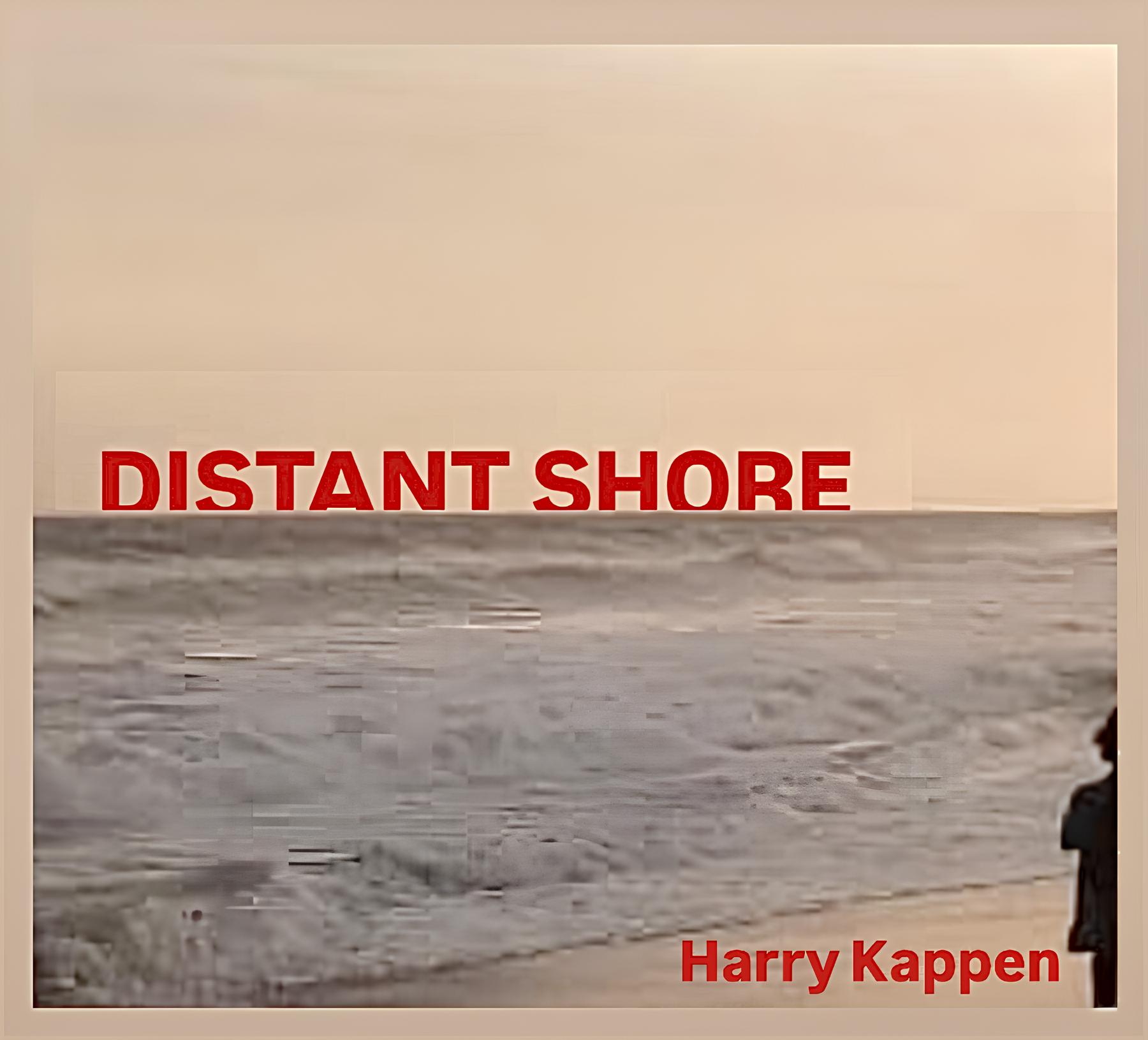
Independent music has always thrived on artists willing to follow instinct instead of fashion, and Harry Kappen’s “Distant Shore” is a perfect example of that kind of creative independence. It’s thoughtful without being self-important, melodic without sacrificing atmosphere, and emotionally direct in a way that recalls the best art-rock records of the seventies while remaining rooted in present-day realities.
Kappen’s latest single, taken from his forthcoming album After the Crossing, is inspired by the experiences of refugees fleeing impossible conditions in search of survival and hope. That subject matter alone sets the song apart from much of today’s increasingly disposable pop landscape. But what makes “Distant Shore” compelling isn’t simply its theme — it’s the care with which Kappen approaches it.
There’s no sloganeering here. No grandstanding. Instead, Kappen narrows his focus to intimate details and lets the emotional weight build naturally.
“I kiss the door I can’t replace…”
That opening line lands immediately because it understands that displacement is personal before it’s political. The song never loses sight of the individual human being at the center of the experience. One bag. One last glance home. Endless nights moving toward uncertainty.
Musically, “Distant Shore” occupies an intriguing space between atmospheric progressive pop and reflective singer-songwriter rock. Kappen has cited David Bowie’s “Space Oddity” as an influence, and the connection is clear in the song’s mellotron textures and drifting arrangement. But Kappen avoids the trap of imitation. Rather than recreating Bowie’s theatrical alienation, he channels that same sense of isolation into something more grounded and contemporary.
The production is understated but richly layered. Kappen played and produced the entire track himself, and there’s an impressive cohesion to the sound. The instrumentation never overwhelms the song’s emotional core. Keyboards hover in the background like distant signals through fog. Guitars shimmer rather than dominate. The rhythm section moves steadily, giving the song momentum without forcing drama.
That restraint is one of the single’s greatest strengths.
A lesser artist might have turned “Distant Shore” into an oversized cinematic statement. Kappen understands that the material doesn’t require embellishment. The tension already exists in the story itself — overcrowded trucks, dangerous crossings, waves “climbing up like concrete walls.” He trusts the imagery enough to let it breathe.
And the chorus works precisely because of its simplicity:
“Where is that distant shore…”
It’s less a hook than a plea. The line carries multiple meanings simultaneously — physical refuge, emotional stability, survival, even spiritual release. Kappen wisely leaves the interpretation open, allowing listeners to bring their own experiences into the song.
Vocally, he delivers the material with a calm, weathered sincerity. There’s no exaggerated anguish in his performance, no attempt to oversell emotion. That choice gives the song credibility. Kappen sounds reflective rather than performative, which suits the material perfectly.
What’s particularly interesting about “Distant Shore” is how naturally it connects Kappen’s personal journey with larger global realities. Following his move from the Netherlands to Mexico, Kappen became increasingly aware of the privilege embedded in voluntary migration. That awareness informs the song without turning it into autobiography. Instead of centering himself, he uses his perspective as a doorway into understanding the lives of others.
That sense of empathy has become a defining feature of Kappen’s recent work. Across albums like Escape, Time Will Tell, Four, and now After the Crossing, he has quietly developed one of the more thoughtful catalogs in contemporary independent rock. His background in music therapy undoubtedly plays a role in that. Kappen writes songs that listen as much as they speak.
The result is music with emotional intelligence — a quality increasingly rare in an era dominated by instant gratification and algorithm-friendly repetition.
“Distant Shore” won’t be mistaken for mainstream pop, nor should it be. It’s a song that asks listeners to slow down, pay attention, and engage emotionally. In return, it offers something lasting: atmosphere, humanity, and a genuine sense of artistic purpose.
That’s what independent music is supposed to do.
And Harry Kappen does it exceptionally well.
–Al Brock