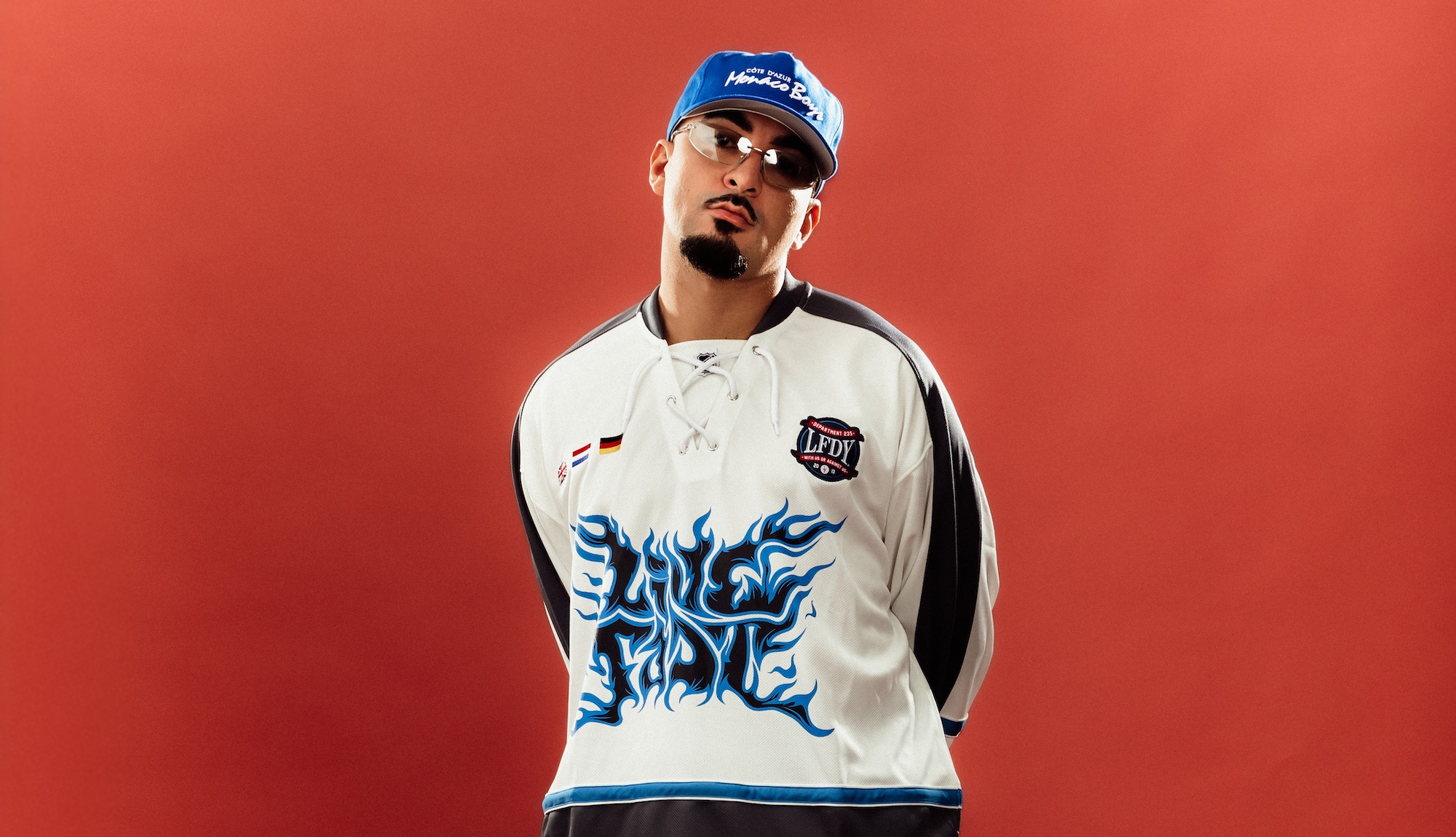
Raised on grime and hip hop, but nore recently drawn back toward house music, Massuma someone who’s learned to trust instinct over strategy. His breakout single Contesto travelled far beyond its origins, connecting with listeners who felt the emotion in it as much as the movement.
With new single Sikasso out last week, he’s in a period of momentum, but also reflection. In this conversation, he speaks about following curiosity, navigating the industry’s demands, and building a musical identity grounded in feeling rather than genre, while continuing to champaion the afro house movement.
Music was part of your life from a young age. What do you remember most vividly about those early days making beats and playing parties?
I remember sitting on my old computer with a cracked version of FL Studio, just figuring things out by trial and error. Back then, it wasn’t about success or recognition, just pure curiosity and love for sound. Playing those first parties and seeing people react to something I made was addictive. That energy is what’s kept me going.
As someone who came up in grime and hip hop, did there ever come a moment when you felt house might be the home you stay in?
Yeah, I think after Pop Smoke passed, hip hop just felt different to me. It was like the scene shifted, and I wasn’t inspired in the same way anymore. I’d always loved house since the UK funky days, so going back to that sound felt natural, almost like coming home to something I’d started years before.
Contesto caught fire internationally. When you listen back now, what part of that track still surprises you?
Honestly, the emotion in the vocals still hits me. I’ve heard it hundreds of times, but there’s something about the way it sits over the percussion that feels alive every time. Seeing people from completely different cultures connect with that feeling is still surreal.
Your next single Sikasso is out now, and you’ve been remixing and collaborating across genres. How do you decide which direction to take next?
I usually follow instinct. I don’t plan too much ahead because I want the music to feel honest. If something inspires me, a sound, a vocal, a mood, I just go with it. Sikasso continues that Afro house foundation, but it’s got more of a melodic edge.
What do you hope people outside of the club scene hear when your music plays? What do you want it to mean to them?
I want them to feel something deeper than just the rhythm. Even if it’s playing in a car or on headphones, I want it to take them somewhere emotionally. For me, it’s about connection. If people can feel that energy, it means the music’s doing its job.
You’ve worked hard to reach this point, but the industry isn’t always easy to navigate. What part of it still feels the most unclear or challenging?
Finding balance between the creative and business sides is always tricky. You want to stay focused on the art, but at the same time, you have to handle everything that comes with it, the timing, releases, expectations. I’m still learning to manage that side without losing the fun of making music.
With everything building, the shows, releases, support, what kind of legacy are you hoping to create over time?
I want to be remembered as someone who brought different worlds together through sound. Not just Afro house or hip hop, but a mix of everything I’ve lived and felt. I want the music to have emotion, movement, and meaning. Something that lasts.
Sikasso is out now on MoBlack Records