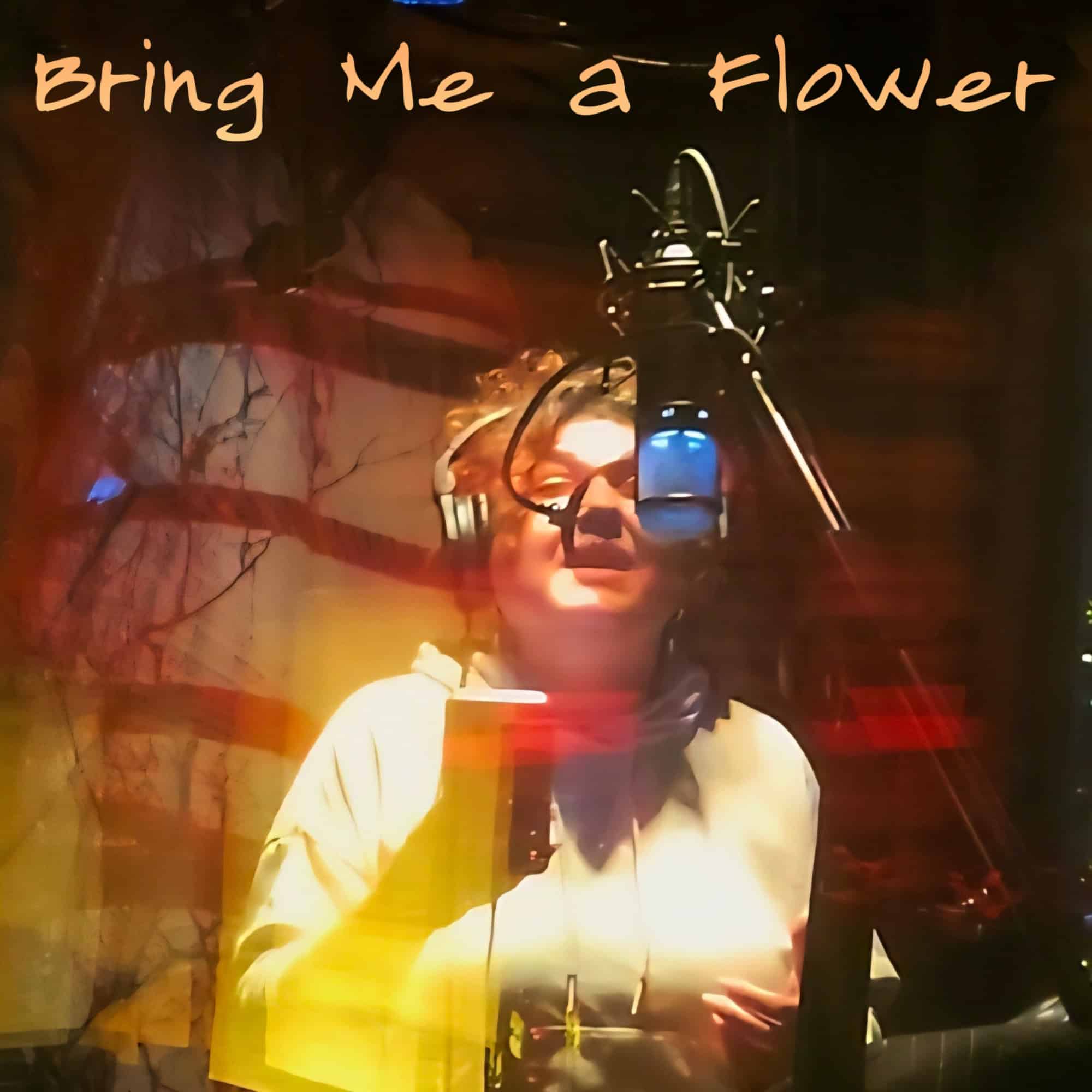
Martin Maudal’s “Bring Me a Flower” doesn’t clamor for attention; it listens first. It waits. Then it unfolds with quiet conviction, the kind that rewards patience and introspection. Released under his project Baldy Crawlers through MTS Records, the song occupies that rare intersection between folklore and modern conscience—a folk ballad that draws from legend to illuminate the present.
At first, it sounds like an elegy. The brushed guitar, the sigh of the accordion, the hushed harmonies—all conspire to create the feeling of dusk settling on a hillside. But beneath the surface calm, something deeply urgent stirs. Maudal is writing about faith, migration, endurance, and compassion—subjects often shouted about in protest anthems—but here, they’re whispered like prayer.
The inspiration comes from the centuries-old legend of the vigilantes oscuros, or “dark watchers,” shadowy figures said to appear on California’s mountain ridges. In Maudal’s retelling, the watchers become metaphors for witness and grace: beings who see but do not judge, who observe the struggle of those crossing borders—physical, emotional, and spiritual—and silently bless their passage.
The song begins with one of the most evocative openings you’ll hear this year:
“Oh bring me a flower thou dark mountain watcher / I’ll bring you myself and I’ll grant you a boon.”
The exchange sets the emotional framework: a dialogue between human vulnerability and divine mystery. Maudal’s lyricism is steeped in duality—the seen and unseen, the giver and receiver, the mortal and the eternal. The “flower” is not simply a gift; it’s a gesture of faith, a symbol of recognition that even in suffering, beauty can be offered and returned.
Norrell Thompson’s lead vocal carries that meaning with extraordinary restraint. Her phrasing is intimate but resolute, as if she’s singing directly to the watcher herself—or to the listener, who might be one. Elizabeth Hangan’s harmonies hover like breath, never overpowering but essential to the song’s texture. Carl Byron’s accordion introduces a European lilt, grounding the folklore in timeless space, while Maudal’s guitar—built by his own hands—anchors everything with earthy resonance. You can hear the grain of the wood in the sound, the labor of craftsmanship echoing the song’s deeper message: empathy, too, is something made by hand.
What’s most striking is how “Bring Me a Flower” refuses to moralize. Instead, it humanizes. It doesn’t position itself as political, yet it confronts the politics of compassion through story and symbol. When Maudal writes, “High away where the mountains can keep them at bay / High away to the place where la lucha won’t find me,” he bridges the mythical with the immediate, invoking the plight of immigrants without losing the universality of the search for refuge.
By the final verse—“And I pray that you’ll be here when I’ve taken wing”—the song has shifted from lament to benediction. The watchers, once spectral, feel holy. The mountains themselves seem to hum with grace.
“Bring Me a Flower” is not just folk music—it’s devotional art, an act of musical empathy that lingers long after the last chord fades. In a time defined by noise, Baldy Crawlers remind us how powerful a whisper can be.
–John Parker