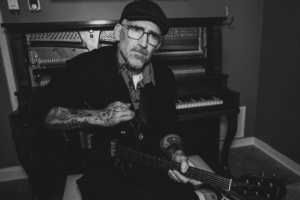
After years operating just offstage, writing and shaping records for others, HotLap emerged as a project built on shared instinct rather than reinvention. Rooted in rhythm-led club music with a careful ear for melody and restraint, the duo’s work favours feel over flash and patience over peaks.
Here, they talk about stepping into focus together, the internal filters that guide their sound, and why letting records breathe still matters in a fast-moving electronic landscape.
You have both spent years working within other artists’ projects before launching HotLap. What made now the right point to step out as a duo, rather than continuing in parallel behind the scenes?
It felt like we’d both reached a point where our instincts were really aligned. We’d crossed paths so many times over the years, and whenever we worked together there was a shared language that didn’t need explaining. At some point it felt strange not to give that its own space. HotLap wasn’t about stepping away from writing for others — it was more about finally carving out a place where our combined taste could exist without compromise.
Between you, there’s a wide range of songwriting and production experience across commercial and club-focused records. When you sit down as HotLap, what gets filtered out first?
Probably anything that feels like it’s trying too hard to be current or clever. We’re quick to drop ideas that lean too pop or too functional in a way that feels forced. If something doesn’t feel physical or emotional in a real way, it doesn’t last long. The filter is pretty simple: does this feel natural to us, or does it feel like a habit from another project?
Your sound is often described as a blend of Afro-influenced rhythm, minimal frameworks and melodic structure. In the studio, where does that balance feel most fragile?
Usually when melody starts doing too much. It’s easy to tip things into something overly sentimental or busy. At the same time, if the rhythm gets too dominant, the emotion can disappear. We spend a lot of time making sure the groove is carrying the track, and that the melodic elements are supporting it rather than sitting on top.
When approaching “Feel The Love,” what was your initial read on the original, and what boundaries did you set before making any changes?
The emotional core was very clear straight away. There’s a warmth and sincerity in the original that we didn’t want to touch. So the boundary was simple: don’t mess with what people already connect to. Everything we changed was about creating a different environment around that feeling, not rewriting it.

The remix leans on looser drum movement and a warmer bassline rather than obvious peaks. How deliberate is that choice?
Very deliberate. We’re more interested in how something feels over time than how quickly it hits. A looser groove lets people settle into the track rather than react to it once and move on. It might not scream for attention straight away, but it tends to stay with you longer, especially on a dancefloor.
There’s a lot of crossover right now between Afro-influenced sounds, melodic house and stripped-back club records. What feels like a genuine shift, and what feels cyclical?
The genuine shift is the focus on rhythm and feel again. People seem less obsessed with maximal moments and more interested in records that breathe. The cyclical part is the surface-level adoption of those sounds — certain tempos, percussion styles, or textures always come back around. What lasts is when artists really understand where those influences come from, not just how they sound.
Your first European tour took in very different contexts, from clubs to festivals. Did those rooms change how you think about space, groove and pacing?
Definitely. You realise pretty quickly that space is just as important as energy. In clubs especially, subtle changes in groove or texture can have a much bigger impact than big drops. It’s made us more confident in letting tracks unfold slowly and trusting the room to meet the music halfway.
With electronic music moving quickly through micro-trends and short attention cycles, how do you decide what’s worth engaging with?
We try not to chase things that don’t genuinely excite us. Trends move fast, but taste tends to stick around. If something fits naturally into how we already work, we’ll explore it. If it feels like a detour just to stay relevant, we usually leave it alone. Longevity matters more to us than reacting quickly.
Follow HotLap on Instagram