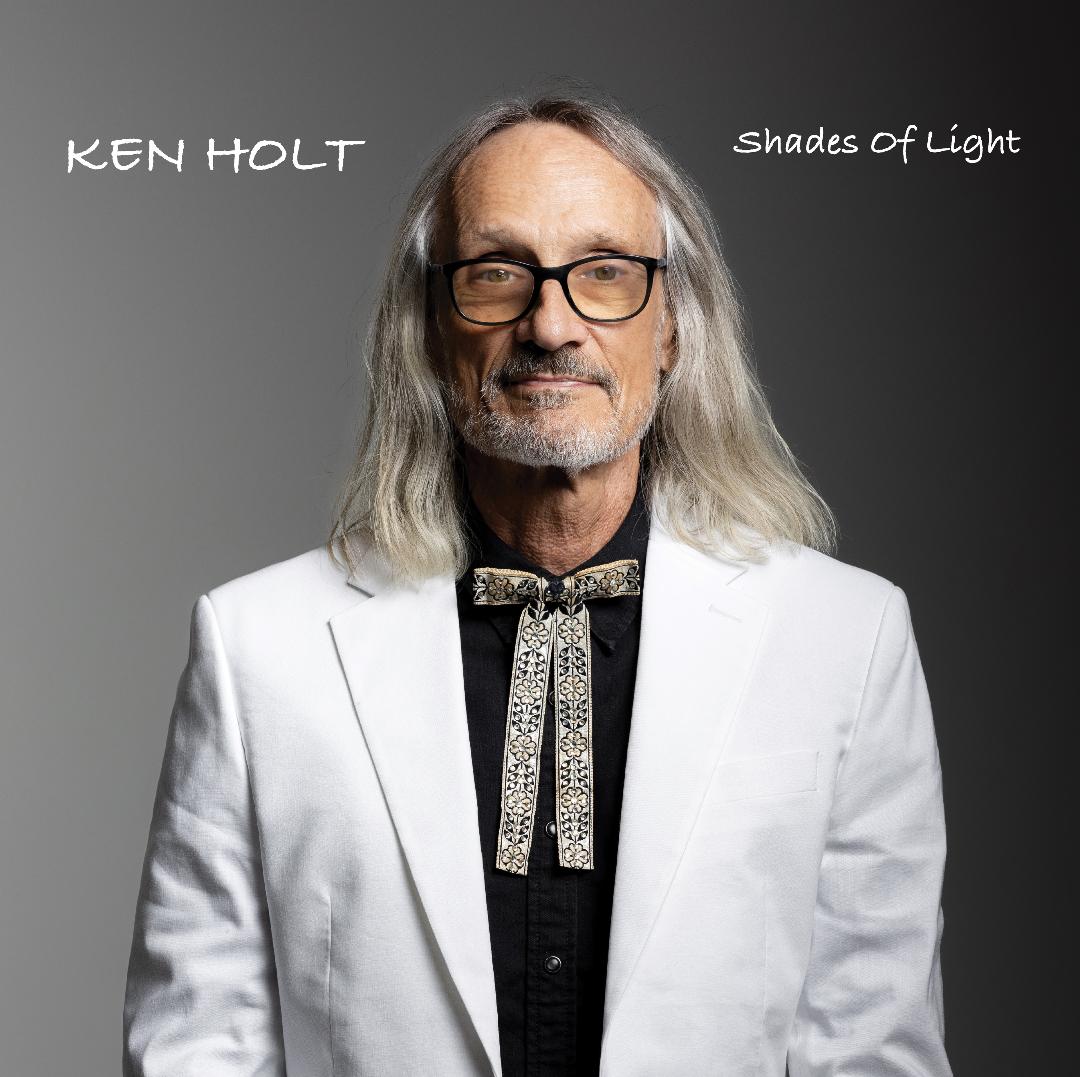
In “Proud,” released fittingly on Veterans Day, Ken Holt crafts a musical narrative that feels both deeply intimate and quietly expansive. The song operates less as a conventional father-son tribute and more as a reflective inquiry—into the ways we teach love, receive identity, and carry the histories we inherit. True to the best traditions of Americana storytelling, Holt threads private memory through a broader cultural tapestry, inviting listeners to consider their own lines of lineage and longing.
I’m often reminded that popular music is one of our most revealing public diaries, and Holt leans into that truth with a disarming vulnerability. The verses move like snapshots pulled from an old family album: a boy standing in right field, a car radio humming with the Allman Brothers, a father quizzing his son on the saints of British pop. These details ground the narrative not in myth but in lived experience—the small, imperfect, wholly human moments that shape identity far more than heroic declarations ever could.
Holt’s vocal delivery carries the weight of this emotional archaeology. Weathered but gentle, his voice traces the contours of regret, pride, and reconciliation without leaning into melodrama. Instead, he sings with the softness of someone who has spent years learning how to listen. The line “I love you like a father wanting nothing but the best for you, my son” functions as both confession and benediction, acknowledging the tension between intention and outcome that defines so many family bonds.
Musically, “Proud” situates itself at the crossroads of Americana, folk-rock, and gospel-tinged reflection. The arrangement is spacious, almost contemplative, allowing Holt’s lyrics to rise and settle like a prayer spoken in a quiet room. You hear the echoes of his influences not as adornments but as threads in a generational fabric—Duane Allman’s melodic wanderlust, Lennon and McCartney’s harmonic intuition, the earthy stoicism of outlaw country.
Yet what resonates most is Holt’s posture: open-hearted, unguarded, and intentionally inclusive. His decades as a minister show in his commitment to compassion. This isn’t a song meant to instruct; it is meant to welcome. It honors a Marine, celebrates a son, and gently asks listeners to consider the love they’ve offered, the love they’ve received, and the unspoken truths that sit between the two.
In “Proud,” Ken Holt offers more than a musical statement—he offers a space for reflection, a reminder that expressing love is an act of courage, and a testament to the quiet power of saying the words while there’s still time.
–Anne Powter