Walk into a busy casino on a Friday night and you hear it before you see it, the brass hit, the bass line, a voice doing its best Sinatra (or Dua Lipa, depending on the room). People still come for the tables and the slots, sure, but the whole “entertainment hub” thing feels more true now than it did a decade ago. It’s not just background noise, either. From what I’ve seen, and what a handful of studies hint at, live music seems to warm up the space, nudge folks to stick around, and pull in people who weren’t planning to gamble at all.
Vibrant Atmosphere
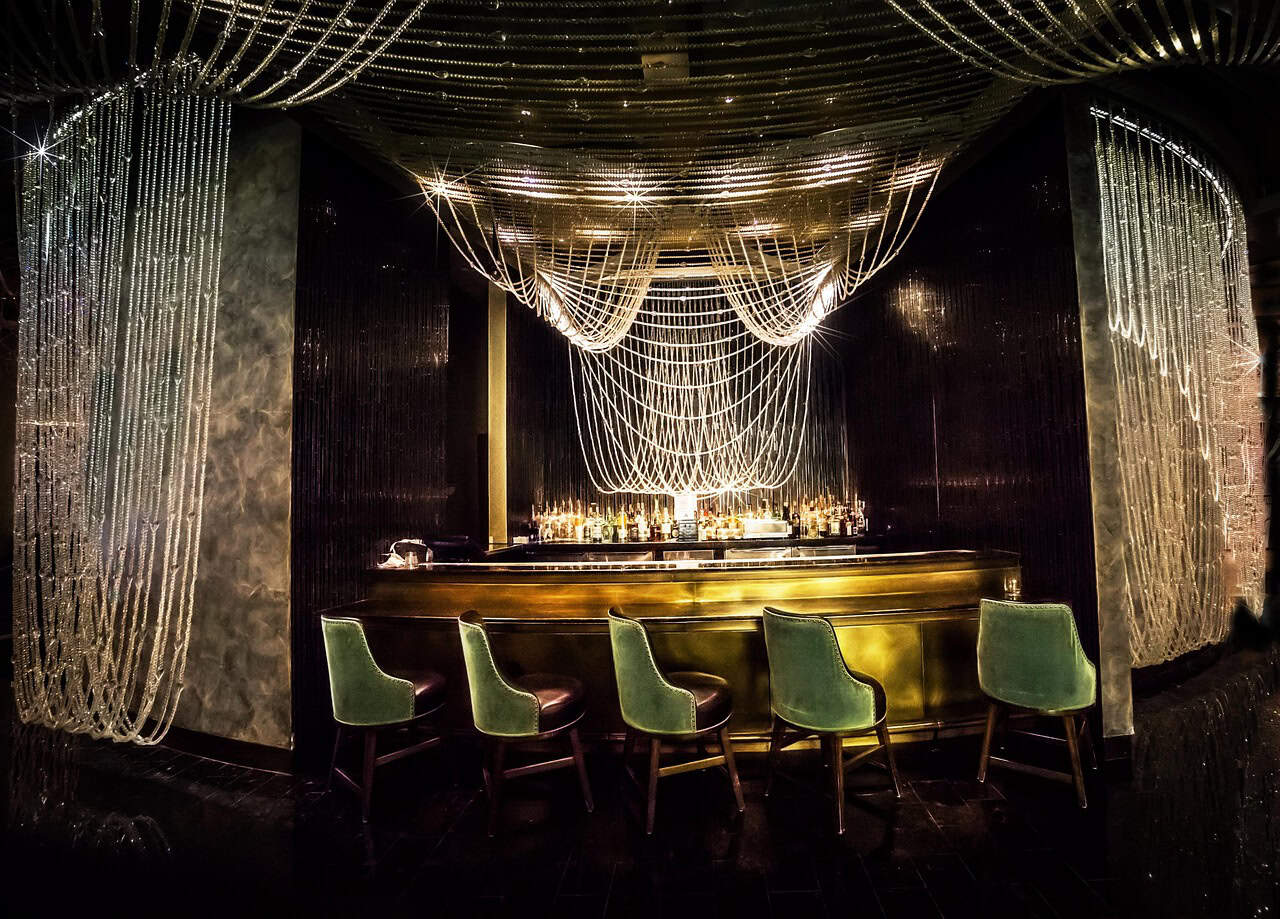
When a band locks in, the room changes. Not always dramatically, but the edges get softer; the air gets a little charged. Many properties pour real money into sound and lighting, subtle uplights, clever acoustics, the works, to edge past the generic lounge vibe. Experts like to say this makes the night more “memorable,” which sounds like marketing, but it tracks. In one survey, roughly 70% of guests said live music lifted their mood and kept them there longer at a casino. Exact percentages aside, you can feel the difference when the downbeat hits.
Emotional Engagement
Music gets under the skin, everyone knows that, but live sets seem to push it further. High-energy sets can make a roulette spin feel like the finale; softer jazz or a low-key singer-songwriter does the opposite, letting the room exhale. programmers mix genres—jazz, pop, EDM, to steer the mood hour by hour. It’s curated, not random. One report claimed about 85% of guests felt more emotionally connected during live shows than with piped-in playlists. Maybe that’s a touch high, maybe not, but the direction of the effect seems right.
Extended Visits and Social Connection
Here’s the practical bit: people tend to linger. Not everyone, not every night, but enough that managers notice. Pleasant tunes nudge guests to order another drink, sit for “just one more” hand, or, honestly, just chat. Some studies suggest spending can tick up, sometimes cited as 30%, though that’s venue-dependent and, yes, correlation isn’t causation. Still, the social side is obvious. Live music gives strangers something to talk about. It turns the room from purely transactional into… well, a place you want to hang out, which is the whole point.
Economic and Strategic Value
From a business angle, it’s not just about vibes. Ticketed sets, VIP seating, pre-show dinners, late-night menus, those add-ons stack. Properties that program regular acts often report noticeable bumps on event nights; figures like a 40% lift in visits get tossed around, which seems plausible in the right market with the right headliner. Caveat time: talent isn’t cheap, and sound bleed can annoy high-stakes players who want calm. Strategy matters, where the stage goes, when the set starts, how loud is “loud enough.”
Audience Diversification
Different acts pull different crowds. It’s almost embarrassingly straightforward but easy to overlook. A Latin night draws one audience; a classic rock cover band brings another; a known DJ, a third. That variety broadens the base beyond regular gamblers to include music fans, date-nighters, and the “we’ll just see the show” crowd. Some venues say around 60% of attendees at music nights come primarily for the performance. Even if that figure wiggles a bit, the idea stands: a wider net, more ways in.
Live music doesn’t magically transform every corner of the floor, but it nudges the experience toward something richer, more human, less transactional. If you’re going to try your luck, it helps when the night around you feels like a night out. And, yes, the usual reminder applies: enjoy the show, set a limit, take a breather when you need it. No lecture, just a nudge.